


Roof Age, 4-Point and Wind Mitigation: What They Do to Your Insurance Before You Buy
The showing goes well. The inspection comes back clean. Then the insurance quote arrives with a condition: show that the 26-year-old shingle roof has five years of life left, or replace it before the policy starts. On an older home around Orlando, the insurance quote is part of the inspection, and it has to arrive while you can still walk away.
Short answer: insurers look at three things on an older home: how old the roof is and how long it has left; a 4-point inspection (roof, electrical, plumbing, heating and cooling); and a wind mitigation report that documents features like roof-to-wall straps and impact-rated windows. Florida law bars an insurer from refusing a home solely because its roof is under 15 years old. Citizens, the state-backed insurer, requires a 4-point once a home is more than 20 years old, and proof of at least five years of remaining life on shingle roofs older than 25 years. Get real quotes before your inspection period ends.
Updated November 23, 2026. Rules checked against Florida Statutes, Citizens Property Insurance and the Florida Office of Insurance Regulation on November 22, 2026.
When to shop: inside your inspection period
Many buyers shop for insurance after the inspection, once the house feels settled. On a home with an older roof, that order is backwards. Here is the order that keeps your options open.
- Before you offer. Ask the listing agent for the roof permit date, any wind mitigation report and any 4-point the seller already has. A wind mitigation report stays usable for up to five years if nothing material changed.
- Day one of the inspection period. Add a 4-point and a wind mitigation inspection to your home inspection if the seller has none.
- As the reports land. Send them to an insurance agent, and get a quote you could actually bind, with the roof, wiring and plumbing findings in front of the underwriter.
- Before the period ends. If a quote comes back with a condition, like a roof replacement, you still have time to ask for a repair, a credit or a price change.
- Before closing. Bind the policy with your closing date as the start date, and send the declarations page to your lender.
The wind mitigation report keeps working after you move in. My own premium went from $3,158 to $1,409 after a new wind mitigation report and shopping the policy. Shop it again at every renewal.
Roof age: what Florida law says
- Under 15 years old: an insurer may not refuse to issue or renew a homeowners policy solely because of the roof's age.
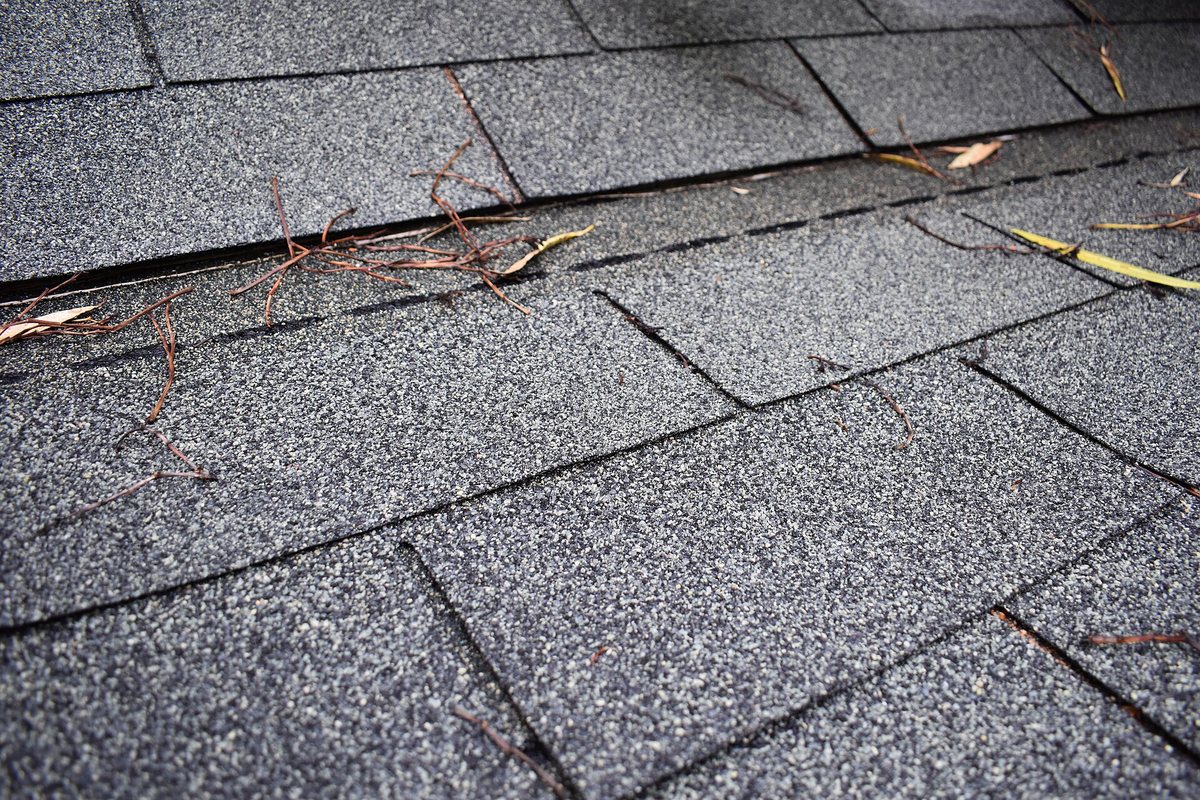
- 15 years or older: before it requires a replacement, the insurer must let you have the roof inspected, at your expense, by an inspector it approves. If the inspection shows 5 or more years of useful life left, it may not refuse solely because of age.
- Roof age runs from the last date the whole roof was built or fully replaced, which is why the permit date matters.
The law protects you from a decision made on age alone. It does not force any insurer to write a roof in poor condition, and each private insurer sets its own roof rules. Source: Florida Statutes 627.7011(5), for homeowners policies issued or renewed on or after July 1, 2022 (not mobile home policies).
What Citizens requires on a roof
| Roof type | Citizens asks for proof of remaining life once the roof is older than |
|---|---|
| Shingle or other soft roof | 25 years |
| Tile, slate, clay, concrete or metal | 50 years |
The proof must show at least five years of remaining useful life. Under five, Citizens wants proof of a full roof replacement before it writes any policy. A roof replaced in sections is aged by its oldest part. One exception helps buyers: if the roof falls short or is damaged and you buy within 45 days of the policy start date, an agent can submit the application unbound for underwriting review, with a signed contract from a licensed contractor showing a full roof replacement within 30 days of that date. Source: Citizens Property Insurance inspection pages and help center, updated 2026.
The 4-point inspection
Four systems, one form: roof, electrical, plumbing, and heating and cooling. Citizens requires it once a home is more than 20 years old, done by a Florida-licensed inspector within the last 12 months. Here is what the Citizens form makes the inspector call out:
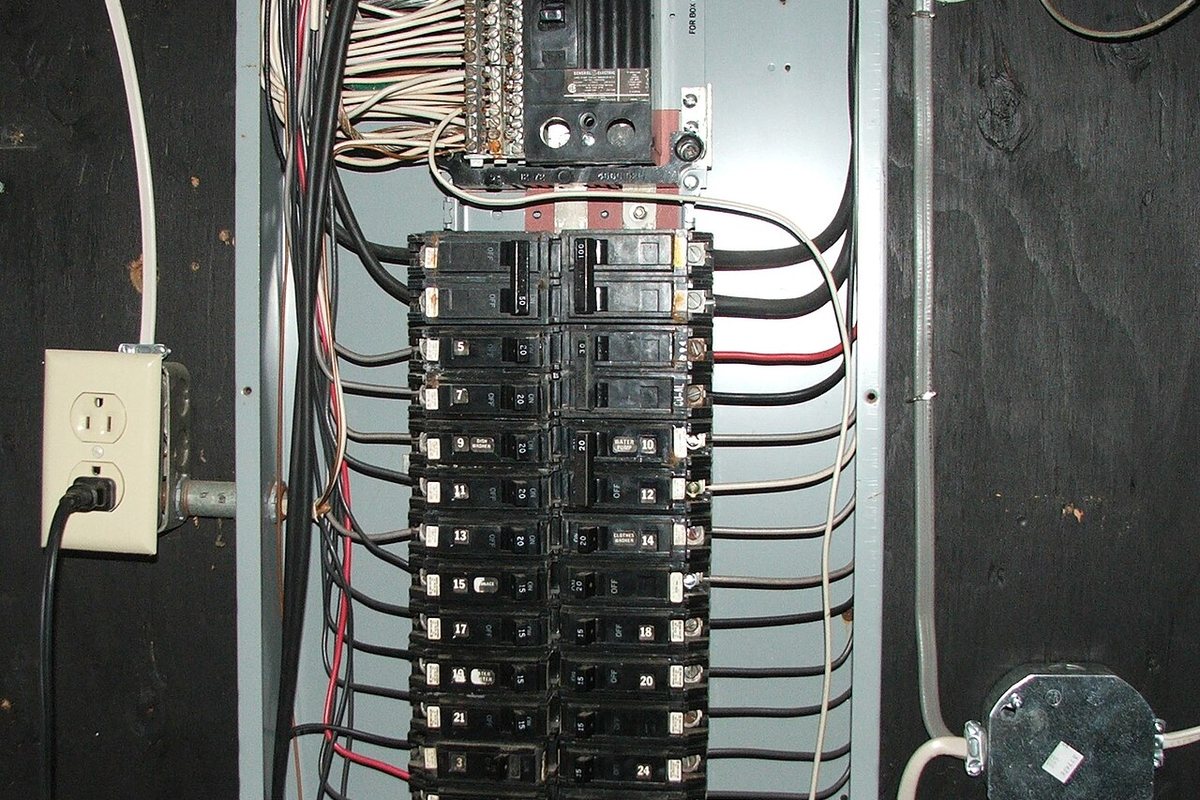
- Electrical: cloth wiring, active knob and tube, and branch circuit aluminum wiring; any aluminum remediation needs separate paperwork certified by a licensed electrician. Also hazards like double taps, exposed or loose wiring, scorching and an improper breaker size, plus the panel's age, brand and amps.
- Plumbing: pipe type (polybutylene, galvanized and cast iron are named), active or past leaks, and the water heater's age and pressure relief valve.
- Heating and cooling: working condition, condensate leaks, and a space heater used as the main heat.
- Roof: covering, age and condition.
The deal-breaker to know about: Citizens will not insure, as new business, a home more than 20 years old with polybutylene piping, and it declines homes with active leaks or unrepaired water damage. If the inspection finds either, the repipe or repair belongs in the negotiation.
Wind mitigation: the report that can lower your premium
Florida requires every residential rate filing to include discounts for construction proven to reduce windstorm losses. The wind mitigation report is how you document what the house has. Some items may not qualify for a discount with your insurer, but you cannot get credit for what is not on the form. It changed on April 1, 2026 (OIR-B1-1802, Rev. 04/26) and now asks nine questions:
- Building code the house was permitted under
- Wind region (design wind speed)
- Roof slope
- Roof covering
- Roof deck attachment
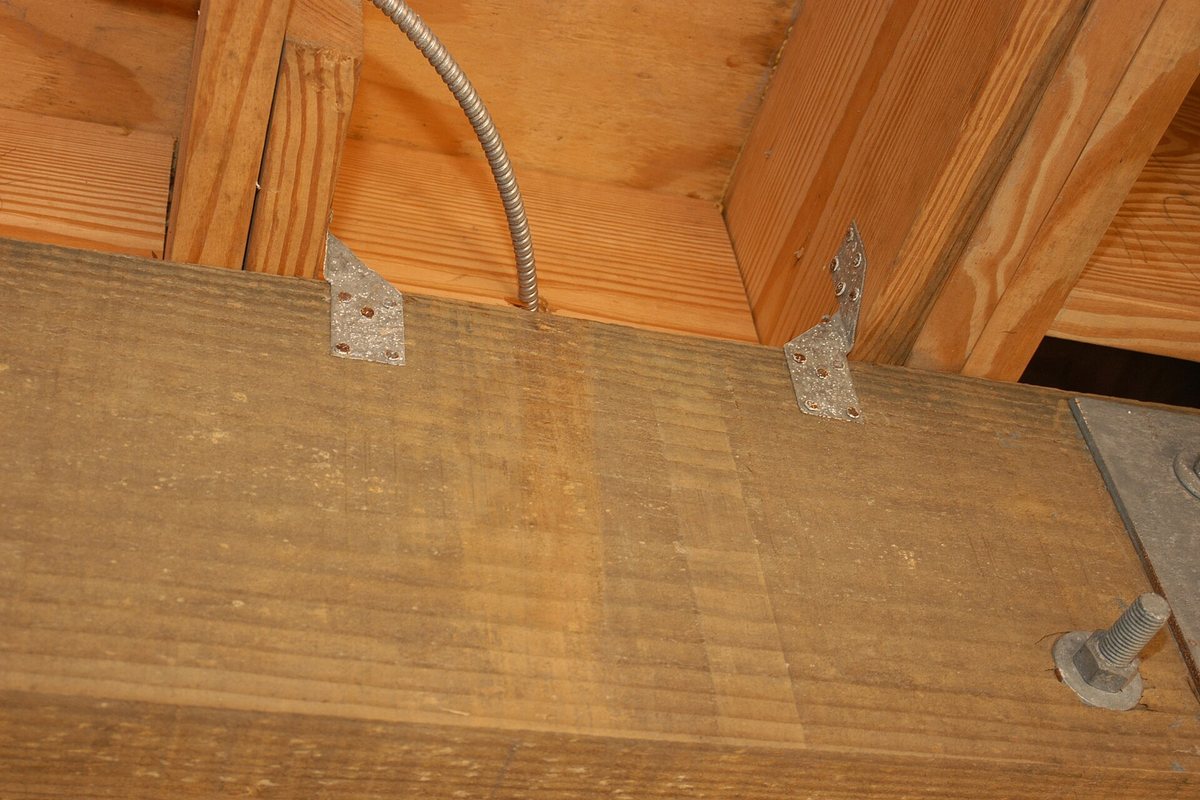
- Roof-to-wall attachment
- Roof shape, such as a hip roof
- Sealed roof deck or secondary water resistance
- Opening protection
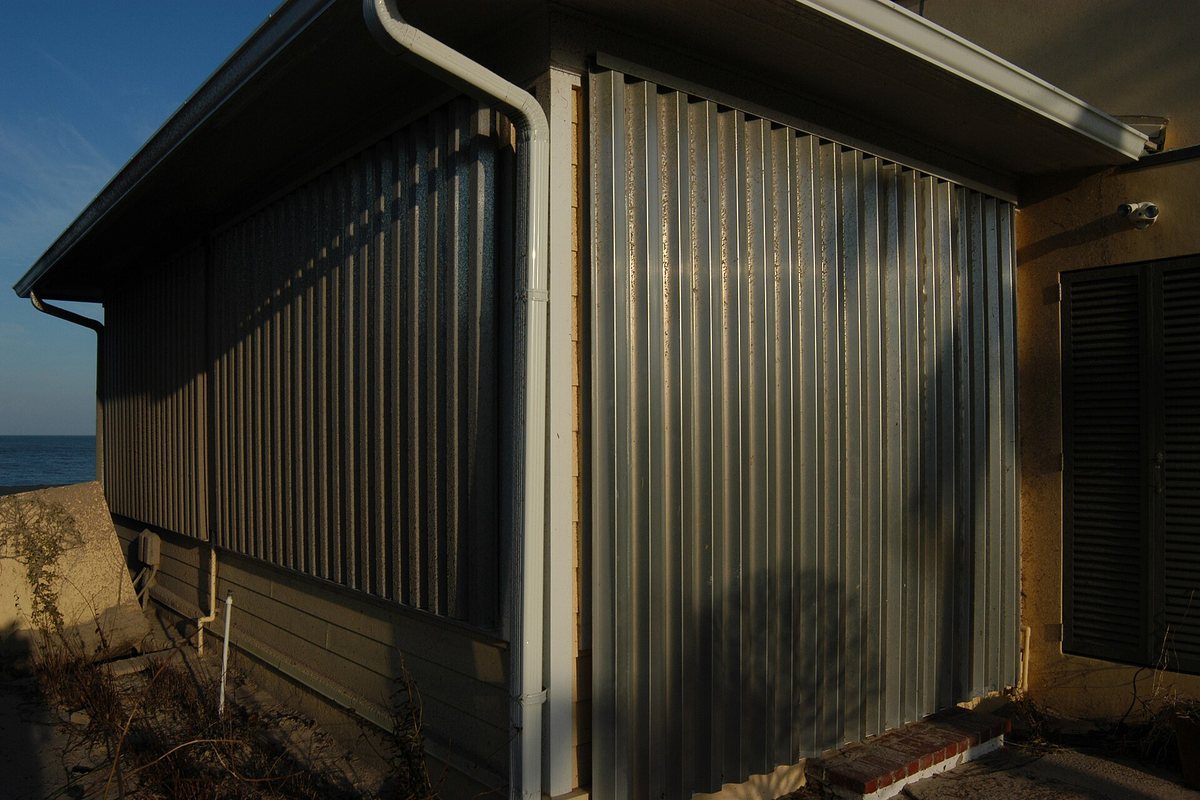
Two details trip people up. Roof-to-wall attachment is graded by the weakest connection the inspector finds. Opening protection is graded by the least-protected window, glass door, skylight or glass garage door, so one unprotected slider can undo a house full of impact windows. Solid doors, a solid garage door included, set a sub-grade under that, so an unrated one still marks the report down. Shutters that look right but have no product documentation are graded as unverified. And the form says a house with openings that need replacement does not qualify for wind mitigation rate credits, whatever else it has. Keep the paperwork, and ask the seller for theirs.
Who can sign it: a licensed home inspector with hurricane mitigation training, a certified building code inspector, a licensed general, building or residential contractor, a professional engineer or an architect. Citizens still accepts the older form if it was completed within the five years before April 1, 2026 and nothing structural changed. As of November 22, 2026, the state's My Safe Florida Home program, which has funded free inspections and grants, had its application portal closed for an upgrade and expected it back December 4.
Two Citizens rules buyers should know
- Flood insurance. For Citizens policies with wind coverage that start or renew in 2026, a flood policy is required when the dwelling replacement cost is $400,000 or more. For policies effective January 1, 2027 or later, every Citizens personal residential policy with wind coverage needs one. Homes in a FEMA high-risk flood zone already need one, and condo unit owner policies are exempt. Here are the flood deadlines and flood zone data for our four counties.
- The 20 percent rule. For a primary home, you are not eligible for Citizens if a private insurer offers comparable coverage at a premium no more than 20 percent above Citizens'.
What homeowners insurance costs here
The Florida Office of Insurance Regulation's average premium charged for homeowners coverage with wind, on data as of March 31, 2026: Orange $3,610, Seminole $3,545, Volusia $2,808 and Lake $2,650. Actual premiums vary by company, insured value, deductible and policy terms. In that report the average fell from its January report in 51 of Florida's 67 counties. Here it barely moved: in our four counties it changed by less than 1 percent either way. Your own roof, wiring and wind report can matter more to your quote than the county average. For the full county picture, read what a Central Florida homeowner actually pays.
Frequently asked questions
Will an insurer cover a house with an old roof in Florida?
It can, if the paperwork shows the roof has life left. Florida law bars an insurer from refusing to issue or renew a homeowners policy solely because a roof is less than 15 years old. For a roof 15 years or older, the insurer must let you have it inspected at your expense before it demands a replacement, and may not refuse solely for age if the inspection shows at least 5 years of useful life left. Citizens asks for that proof on shingle roofs older than 25 years and on tile, slate, clay, concrete or metal roofs older than 50.
Who needs a 4-point inspection?
Citizens requires one on homes more than 20 years old, dated within the 12 months before the application. Private insurers set their own age rules, so ask each one. Condo unit owner policies do not need one with Citizens.
How long is a wind mitigation report good for?
Up to five years, as long as no material changes have been made to the house and nothing on the form is found to be wrong. Inspections done on or after April 1, 2026 must use the new form, OIR-B1-1802 (Rev. 04/26).
Do impact windows lower home insurance?
They can. Florida requires insurers to offer discounts for proven wind-resistant features, and opening protection is one of the nine items on the wind mitigation form. The grade is set by the least-protected window, glass door, skylight or glass garage door, and the products need documentation. Ask your insurance agent for a quote with the report and one without, so you can see the difference.
When should I get homeowners insurance when buying a house?
Get real quotes inside your inspection period, while you can still renegotiate or walk away. Then bind the policy before closing with your closing date as the start date. If you are financing, your lender will ask for proof of coverage before closing.
Get the roof and insurance paperwork before the inspection period runs out
Send me the address. I will ask for the roof permit date, the wind mitigation report and the 4-point before you write the offer. Brenden Rendo, NextHome Neighborhood Realty, 407-616-9019.
Call or text 407-616-9019Send me a messageSources: Florida Statutes 627.7011, 627.0629, 627.711 and 627.351 (2026); Citizens Property Insurance public underwriting pages, Roof Inspection Form RCF-1 03 25 and 4-Point Inspection Form Insp4pt 03 25; Florida Office of Insurance Regulation form OIR-B1-1802 (Rev. 04/26) and Property Insurance Stability Reports, January and July 2026. General information, not insurance advice; each insurer sets its own underwriting rules.
The Homes In Orlando Team | Brenden Rendo, REALTOR® · NextHome Neighborhood Realty · 407-616-9019
Photo credits: hero image, formulanone, CC BY-SA 2.0 (cropped), via Wikimedia Commons.