What Home Inspection Issues Are Costing Sellers Most
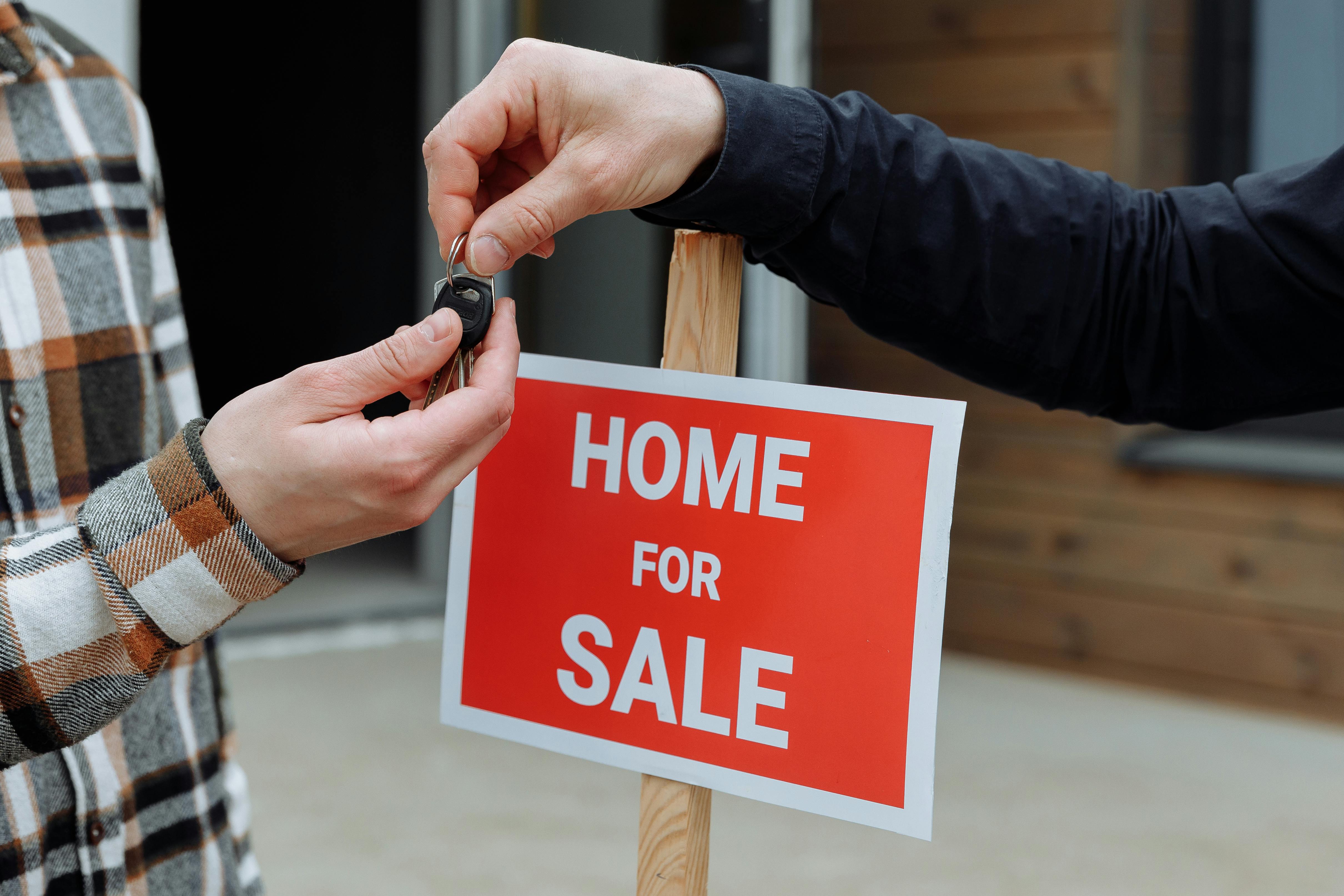
Selling a home can feel steady until inspection day brings unwelcome surprises. Many home inspection issues prompt buyers to renegotiate or walk away, especially those comparing repairs to the costs of buying an existing house, which can delay a sale and reduce profit. Sellers gain a stronger position when they are aware of the most expensive problems in advance, understand buyer reactions, and address trouble spots early.
The Most Expensive Home Inspection Issues That Stop Deals
Some repairs cost far more than others. These specific problems strain a seller’s budget and also raise buyer concerns. Clear insight helps sellers protect their bottom line and reduce friction during the sale without having home inspection issues.
Early checks help sellers spot problems that can grow into expensive home inspection issues during a sale.
Foundation and Structural Problems
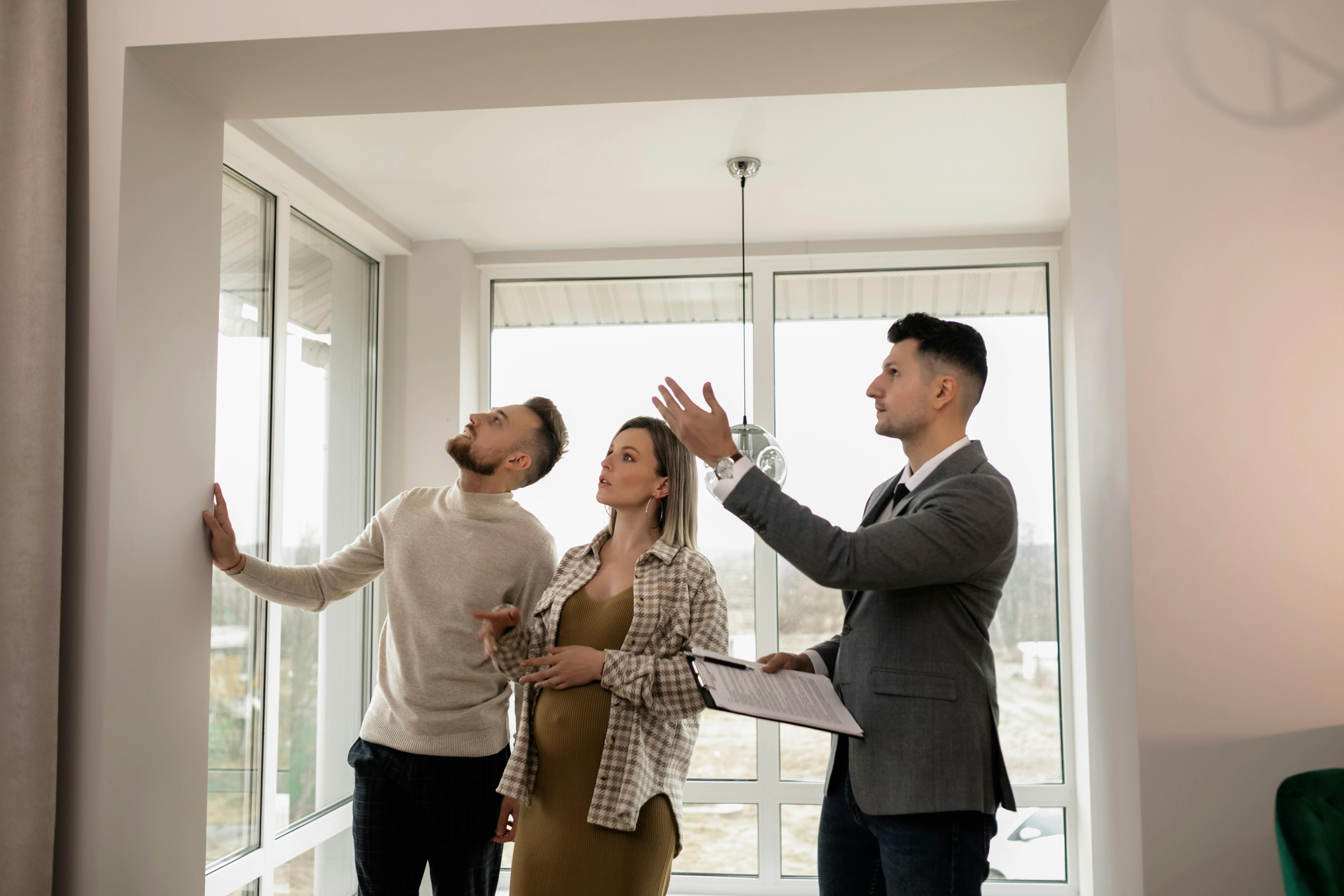
Foundation cracks, sinking slabs, or shifting support beams worry buyers fast. Repair teams charge high fees because the work often requires major equipment and expert labor. These issues signal risk and disrupt buyer confidence in a successful home construction, so buyers pull back even if the home looks solid on the surface. Sellers who detect these faults early can plan repairs or choose an adjusted price strategy.
Roof Damage and Water Intrusion
Roof leaks, missing shingles, and worn flashing appear on many inspection reports. Water enters quiet areas of a home and spreads damage through ceilings, attic insulation, and drywall. A roof replacement ranks as one of the highest repair expenses during a sale. Buyers fear hidden moisture, mold, and future leaks, which sparks heavy negotiation.
Outdated or Unsafe Electrical Systems
Old wiring, crowded breaker panels, and faulty outlets lead inspectors to mark a home as unsafe. These problems disrupt a sale because buyers prioritize safety. Electricians charge significant fees for rewiring or upgrading panels. Even simple corrections can delay closing when contractors are booked out for weeks.
Plumbing Problems and Hidden Leaks
Plumbing issues range from slow drains to corroded pipes. Leaks hidden behind walls or under floors cause stains, soft spots, and mold. Buyers worry about long-term water damage and high repair costs. Replacing lines or repairing subflooring raises expenses quickly, especially in older homes.
Mid-Sale Setbacks Caused by Hidden Repairs
Sometimes, inspection problems go unnoticed until the middle of a sale, which puts heavy pressure on both parties. Sellers often scramble to fix issues while keeping the deal alive. This moment is where preparation matters most.
Buyers feel more confident when a home shows clear care and updated systems during the selling process.

One common example is a surprise mold report. Mold spreads in areas with trapped moisture behind walls, under sinks, or near HVAC systems. Removal work must happen fast because buyers see mold as a health threat. Another setback arises when inspectors uncover aging HVAC units that cannot heat or cool a home well. Buyers ask for replacement credit or demand new units before signing final papers.
During this stage, sellers benefit from organization and clear next steps. Therefore, strong planning is essential, which includes cleaning out your space, removing junk, and identifying things you should sell before moving. This helps buyers see the home clearly and helps sellers focus on needed repairs.
How These Problems Impact the Final Sale Price
Repair costs hit sellers directly, yet the hidden cost is lower buyer confidence. Once a buyer questions a home’s condition, they search for more flaws. This shifts negotiation power away from the seller. Even minor issues appear larger after a major problem surfaces.
Buyers also rely on inspection reports to request seller concessions. A roof leak, aging furnace, or unsafe panel gives them grounds to ask for closing credits. These credits reduce the seller’s net profit and sometimes equal more than the repair itself. Sellers who handle problems early keep stronger control over value.
Why Early Repairs Protect Seller Profit
Selling becomes easier when a seller handles known problems before the inspection. Early action reduces surprises, speeds up the sale, and builds buyer trust. Buyers feel confident when a home shows proper care and updated systems.
If a seller updates plumbing fixtures, checks the roof, tests the HVAC system, and replaces weak parts, the inspection tends to move smoothly. Strong preparation helps prevent tense negotiations and makes the final contract more stable. This approach also attracts buyers who want a move-ready home and are willing to pay more for it.
The Hidden Home Inspection Issues That Often Go Unchecked
Some problems stay out of sight until a trained inspector looks deeper. These hidden concerns often lead to heavy repair expenses:
- Slow leaks under bathroom flooring
- Aging water heaters with rust or sediment buildup
- Subtle foundation settling that shifts doors or window frames
- Poor attic ventilation that traps heat and moisture
- Previous DIY repairs that fail modern safety rules
These issues influence a buyer’s trust. They also affect insurance approval and mortgage underwriting. Sellers who schedule a pre-inspection avoid surprise setbacks and create a more predictable sale.
How Sellers Can Reduce Expensive Repairs
Sellers reduce inspection pressure by taking simple steps before listing a home:
- Walk through the home with a repair checklist. Small fixes such as loose hinges, flickering lights, or damaged screens show care and reduce buyer concern.
- Hire pros for key systems. Electricians, roofers, and plumbers can detect early signs of trouble that buyers will notice later.
- Improve ventilation and address moisture. Dry spaces reduce mold risk and protect insulation.
- Upgrade worn parts. Replacing old faucets, outlets, or smoke detectors boosts buyer confidence without major cost.
- Maintain the yard and exterior. Clean gutters, trimmed shrubs, and clear pathways help inspectors see the structure clearly.
These steps strengthen a seller’s position and decrease the chance of deal-breaking findings while also reducing buyers' questions during the inspection process.
Hidden defects often push buyers to ask for repairs or price changes before finalizing the agreement.
Final Thoughts: Stay Ahead of Home Inspection Issues to Protect Your Sale
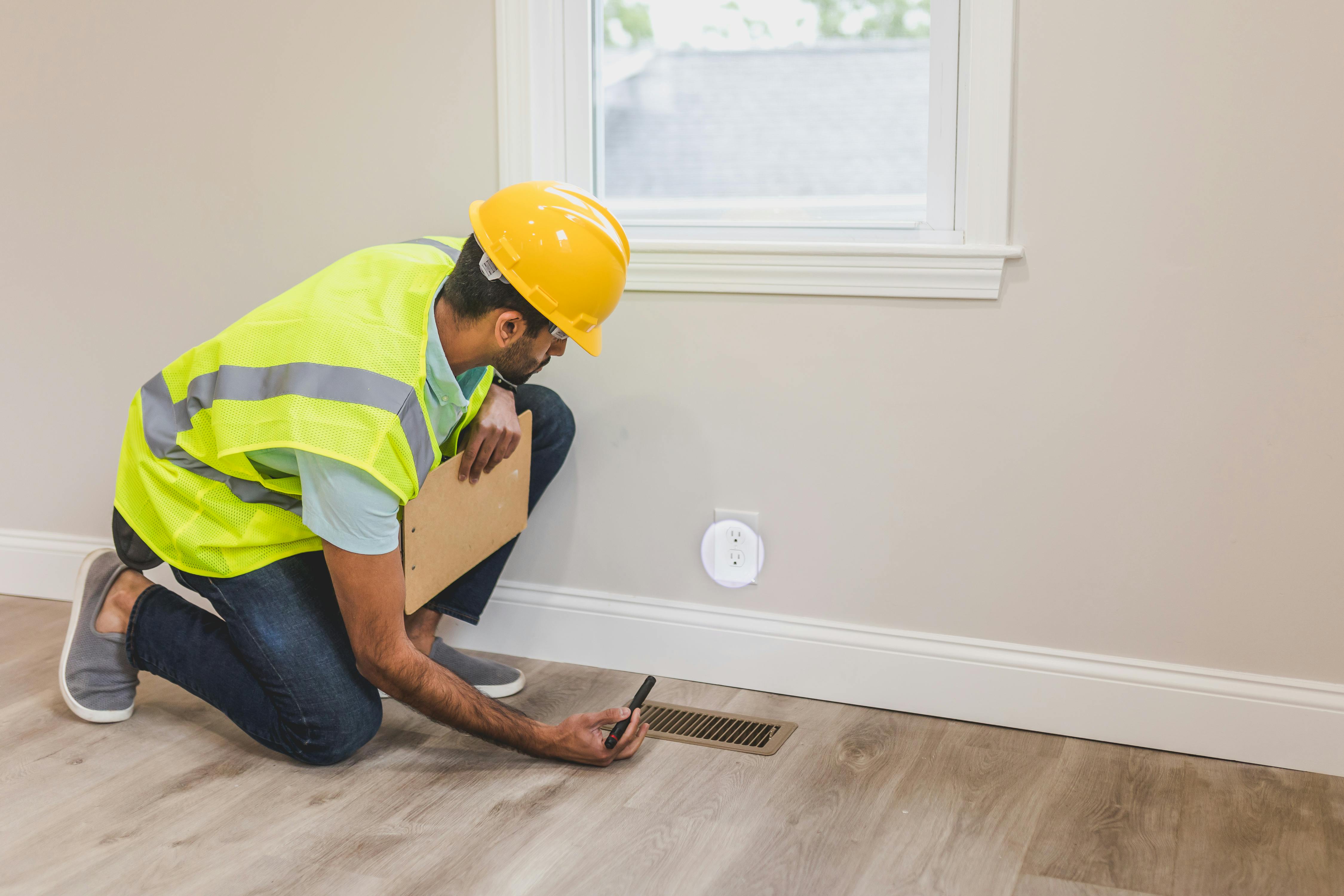
Sellers gain the best outcome when they understand how home inspection issues influence price, timeline, and buyer comfort. Early preparation, clear repairs, and an organized home reduce pressure during the sale. With fewer surprises, negotiations stay calm, and buyers move forward with confidence. This approach helps sellers keep more profit and create a faster closing path.