How to Decide Between Building New or Buying Existing
TL;DR
Building new usually means higher upfront costs, a longer timeline, and maximum customization with lower early maintenance. Buying an existing home is typically faster and may cost less initially, but you may compromise on layout and inherit some repairs or updates. The “right” choice comes down to your budget, move-in deadline, appetite for projects, and how much control you want over design and finishes.
Deciding between building new and buying existing can feel overwhelming. Each option has its own advantages and challenges, and the right choice depends on your budget, timeline, and personal preferences. Many people struggle to balance convenience, cost, and long-term satisfaction when planning a home or property investment. We are here to help you break down the factors that matter most. By exploring finances, location, maintenance, and lifestyle considerations, you can make a decision that fits your needs and goals. With clear examples and practical tips, you’ll feel confident about the path forward.
Assess Your Budget and Financial Flexibility
When deciding on building new or buying existing, your budget comes first. Building new often costs more upfront due to land, permits, and construction. Buying an existing home can be cheaper at first, but older properties may need repairs or upgrades that add to expenses.
Long-term costs matter too. New homes usually have modern energy-efficient systems, while older homes might require frequent maintenance. Financing differs as well: construction loans can be stricter, whereas mortgages for existing homes homes are simpler.
Take the time to create a detailed budget for each option. Include not only purchase or construction costs but also taxes, insurance, and ongoing maintenance. By understanding the full financial picture, you can see which option fits your current situation and future plans.
Consider Your Timeline and Urgency
Timing can greatly affect your choice. Building a new property usually takes several months, depending on permits, weather, and construction. Buying an existing home is faster, letting you move in without waiting for walls or systems to be completed.
Your schedule matters too. If you need a home quickly for work, school, or family, buying may be better. If you have flexibility and want a space tailored to your needs, building lets you plan every detail. Delays can happen in either scenario, so allow extra time for inspections, approvals, or renovations.
Planning ahead can save stress and effort when the time comes to move. Simple packing hacks that will save you time, like labeling boxes, grouping items by room, and decluttering first, make the transition smoother. A little preparation turns a hectic move into an organized process, whether you are moving into a new build or an existing home.
Think About Customization and Personal Preferences
One of the biggest differences between building and buying is control over the design. Building allows you to choose layouts, finishes, and features that match your lifestyle. From room sizes to kitchen style, you can make decisions that fit your exact needs without compromise.
Buying an existing home often comes with limits. You may find a property that fits many of your wants, but some features might not match your vision. Remodeling can help, but it can be costly and time-consuming. Simple changes like painting or updating fixtures are easier, but major structural changes take effort and money.
Consider how much customization matters to you. If having a home that reflects your exact preferences is important, building may be worth the wait. If convenience and moving in quickly matter more, an existing property can still offer comfort with fewer delays. Balancing your priorities helps you make a choice that feels right.
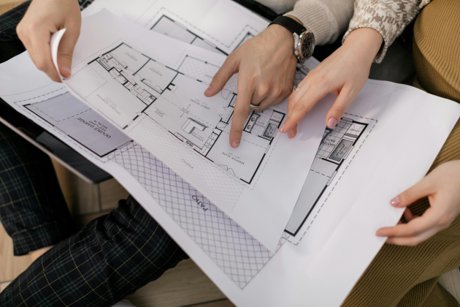
Caption: With new construction, you can tailor every detail to your preferences.
Evaluate Location and Neighborhood Options
Location can make or break your decision. Existing homes are often in established neighborhoods with ready infrastructure, schools, and amenities. New builds may be in developing areas, offering modern layouts and new facilities, but they might lack nearby shops, parks, or public transport initially.
Think about long-term value as well. Established areas may have higher property prices but stable resale potential. New developments could grow in value as the area develops, but this is less certain. Consider your lifestyle, commuting needs, and access to essential services when choosing where to live.
Factor in Maintenance and Longevity When Deciding Between Building New or Buying Existing
Maintenance is a key consideration when choosing between options. New builds usually require little attention in the first years, thanks to modern systems and fresh construction. Plumbing, wiring, and roofing are typically up to date, reducing immediate costs and effort.
Older homes can come with charm and character, but they may need repairs sooner. Hidden issues like worn-out plumbing, old wiring, or structural wear can lead to unexpected expenses. Even minor fixes can add up over time, so it’s important to inspect any property carefully before committing.
Think about how long you plan to stay in the home. If you want a hassle-free few years, new construction can be appealing. If you’re comfortable handling updates and enjoy renovating, an older home might suit you well. Balancing maintenance needs with your lifestyle helps you choose wisely.
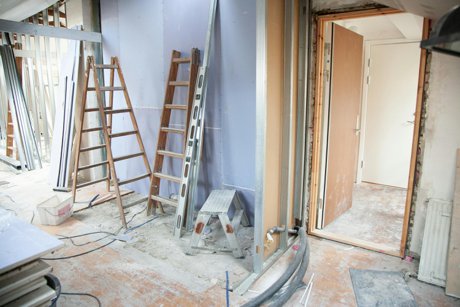
Caption: Older homes often require updates or renovations.
Assess Market Conditions and Investment Potential
Understanding the local market can guide your choice. Established neighborhoods often have steady property values, making buying existing homes a safer investment. New developments may offer lower entry prices but can take years to reach full value as the area grows.
Think about resale potential and future demand. Homes in popular locations or with unique features can appreciate faster. New builds may attract buyers seeking modern layouts and energy efficiency, while older homes with character can appeal to those valuing charm and location. Researching trends and prices in your area helps you make a decision that benefits both your lifestyle and investment goals.
Reflect on Your Lifestyle and Long-Term Goals
Your daily life and future plans should influence your choice. Consider family size, work situation, hobbies, and personal routines. A growing family may benefit from building a home that adapts to changing needs, while a single professional might prioritize a move-in-ready property.
Also, think about flexibility for the years ahead. New builds allow you to plan expansions or custom features, while older homes may limit changes or require costly renovations. Aligning your decision with both current comfort and long-term satisfaction helps you select a home that truly fits your life.

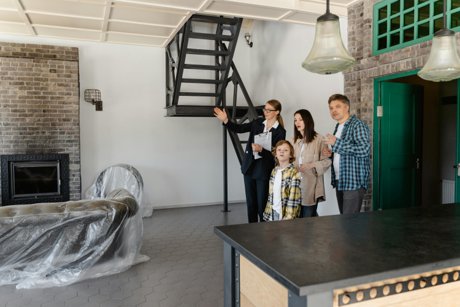
Caption: A growing family should consider building new or buying existing to fit future needs.
Making the Decision That Fits You Best
After weighing all factors, you can confidently approach building new or buying existing. Consider your budget, timeline, location, and lifestyle to see which option aligns best with your needs. Each choice has trade-offs, so focus on what matters most to you personally. Creating a pros-and-cons list can help clarify the decision. Think about both short-term convenience and long-term satisfaction. Whether you choose a brand-new property or an existing home with character, making an informed choice ensures your next move is both practical and rewarding.
Quick Comparison: Building New vs Buying Existing
| Factor | Building New | Buying Existing |
|---|---|---|
| Upfront Cost | Often higher when you include land, permits, and construction; easier to control costs with pre-selected options, harder with heavy upgrades. | Purchase price may be lower, but factor in possible repairs, updates, and cosmetic changes over the first few years. |
| Timeline | Takes longer; you’re waiting on design, approvals, and build time before you can move in. | Typically faster; you can often close and move in within a few weeks once under contract. |
| Customization | High; floor plan, finishes, and features can be tailored up front. | Limited to what’s already there unless you renovate; big layout changes can be costly. |
| Maintenance | Lower in early years; new systems, roof, and structure reduce surprise repairs. | Potentially higher; older systems, roof, or structure may need attention sooner. |
| Neighborhood | Often in newer communities that are still filling in; amenities and mature landscaping may take time to develop. | More likely in established areas with existing amenities, mature trees, and a long-standing community feel. |
| Predictability | You know the age and condition of everything, but must be comfortable with construction risk and possible delays. | You see exactly what you’re getting at inspection, but the true age/condition of hidden systems can still surprise you. |
FAQs: Building New vs Buying an Existing Home
Is it cheaper to build a new home or buy an existing one?
There’s no one-size-fits-all answer. Building new often comes with higher upfront costs because you’re paying for land, permits, and construction. Buying an existing home can be less expensive at closing, but you may need to budget for repairs or updates in the first few years.
Which is faster: building new or buying existing?
Buying an existing home is usually faster. Once you’re under contract, you can often close and move in within a matter of weeks. Building new typically takes several months from start to finish, depending on design choices, approvals, and construction schedules.
Who should consider building new?
Building new tends to fit buyers who have a flexible move-in timeline, want a modern layout, and prefer lower maintenance in the early years. It’s also a good fit if you care a lot about choosing finishes, energy-efficient features, and a specific floor plan.
Who should consider buying an existing home?
Buying an existing home can make more sense if you need to move sooner, want to be in an established neighborhood, or would rather put money into cosmetic updates instead of a longer build process. It also works well for buyers who value mature trees, existing amenities, or specific school zones.
How can I decide which option is right for me?
Start by comparing your total budget, how soon you need to move, how much customization you want, and how comfortable you are with renovations. A simple pros-and-cons list for your situation can make the right choice stand out quickly.
Want Help Weighing Your Options?
If you’d like to see real-world examples of both new construction and resale homes at your price point, start by browsing:
Then connect with a local agent who can walk you through timelines, costs, and trade-offs so you can choose the path that makes the most sense for your next move.