


Top Buyer Questions to Ask Before Your Keys Are in Hand
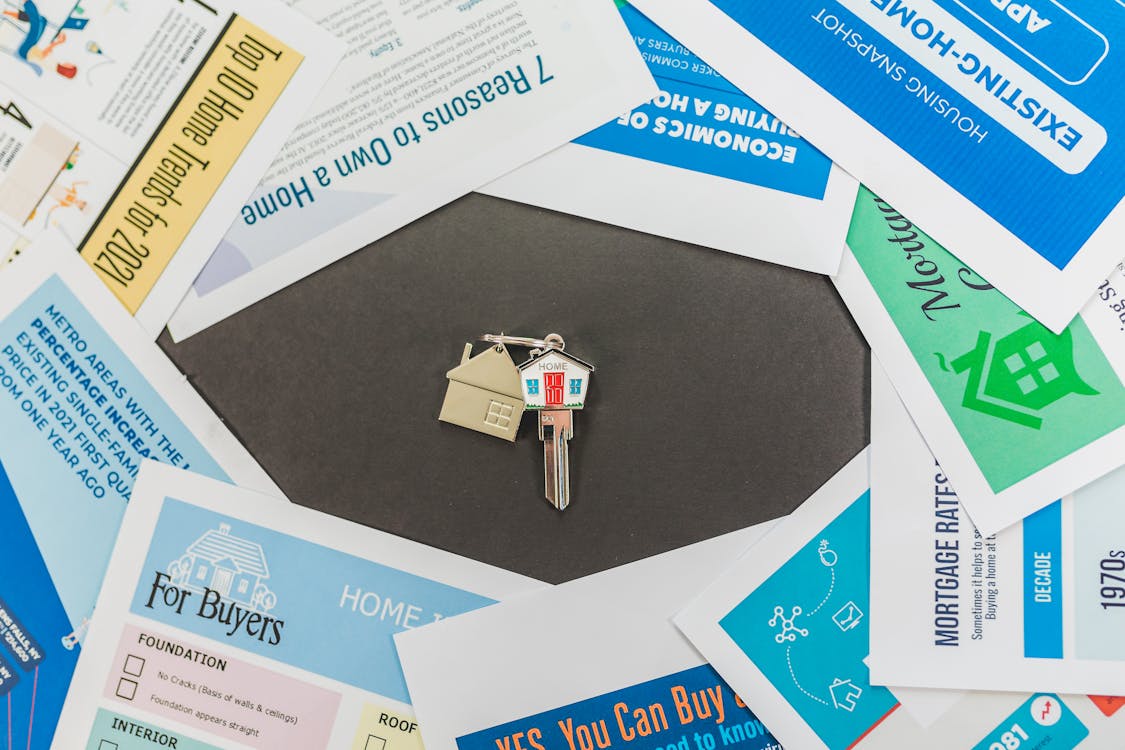
Buying a home is an exciting journey, but it's crucial to ask the right questions before you get the keys in your hand. The process can be overwhelming, and you may face surprises without the proper information. To help you navigate this important decision, we’ve compiled a list of top buyer questions to ask before closing the deal. From understanding the true cost of the home to learning about potential repairs, these questions will ensure you’re fully prepared for homeownership. Let's dive into what you should know before making that final commitment.
What is the Total Cost of the Home?
Understanding the home's total cost is essential before you commit to a purchase. That includes not just the listing price but also closing costs, property taxes, insurance, and any other hidden fees that might arise. No matter how familiar you are with housing market trends, you still should be aware of the full financial picture.
Additionally, don’t forget to consider long-term expenses like maintenance, utilities, and potential renovations. Asking for a detailed breakdown ensures you won't be caught off guard by unexpected costs after you move in. Always plan for more than just the purchase price.

The condition of the property is one of the top buyer questions to ask for future homeowners
What is the Condition of the Property?
It is crucial to assess the property's condition before finalizing your purchase. If possible, checking the home in person ensures you’re fully aware of its state. Pay attention to key areas like the roof, foundation, plumbing, and electrical systems, as these can be costly to repair.
One of the most important buyer questions to ask is whether any recent repairs or ongoing issues could affect the home’s value. A thorough inspection can uncover hidden problems, helping you make an informed decision and avoid unexpected costs later.
Buying Remotely: What Should You Know?
Purchasing a property without stepping inside might seem daunting, but with the right preparation, it’s entirely possible. Therefore, before buying a home remotely, take the following key steps to make the process smooth and successful.
Start by choosing a reliable real estate agent who knows the local market and is comfortable working with remote buyers. They’ll be your eyes and ears on the ground—helping you schedule virtual tours, handle digital paperwork, and provide honest insights about the neighborhood.
Next, make a detailed list of what you want in a home. When you can’t visit in person, having a clear set of must-haves and deal-breakers will help narrow your options and avoid surprises.
Do your homework on the area—look into school districts, amenities, crime rates, and future development plans. Understand the legal requirements for signing contracts online and ensure access to tools for remote inspections, virtual walkthroughs, and secure communication.
Buying remotely requires extra diligence, but it can be as rewarding as an in-person purchase with the right team and a clear plan.
How Long Has the Home Been on the Market?
The time a home has been on the market can offer valuable insight into its pricing and appeal. If a property has been listed for a long period, it could indicate that the asking price is too high or that there are issues with the home that have turned potential buyers away.
On the other hand, a newly listed home might attract more competition. Asking how long the home has been on the market is one of the top buyer questions to ask, as it can help you negotiate a fair price or make a quick decision.

Knowing how long the property’s been on the market can provide you with valuable insights
Are There Any Upcoming Repairs or Renovations Needed?
Before finalizing your purchase, asking if any upcoming repairs or renovations are needed is important. That includes checking for issues like outdated plumbing, electrical systems, or structural damage that could require significant investment. Spotting these issues on time allows you to plan and budget accordingly.
Remember, you can often spot long-term value homes even if they don’t look perfect at first glance. Review the seller’s disclosures and request a recent inspection report to avoid unexpected repair costs after the sale. This information can help you make a smarter, informed decision.
What Are the Neighborhood’s Long-Term Plans?
Understanding the neighborhood’s long-term plans is key to ensuring the area aligns with your lifestyle and investment goals. Ask about upcoming developments, zoning changes, or potential construction projects that could impact the community. It’s also helpful to find out what the local community is like, including crime rates, schools, and amenities.
Future developments can affect property values, so knowing what’s planned in the area will help you make an informed decision. That is a crucial consideration to avoid surprises after you’ve moved in and settled.
What’s the History of the Property?
Knowing the history of the property is essential before buying. Ask about previous owners, why the home is being sold, and any past issues like flooding, mold, or structural damage. That can give you a clearer picture of the home’s condition and potential problems.
If possible, review past inspections or reports that might highlight recurring issues. Understanding the history helps you make a more informed decision and can save you from unexpected costs.
What Are the Seller’s Motivations?
Understanding the seller’s motivations can give you an advantage during negotiations. Ask why they’re selling the home—whether it’s due to a job relocation, financial issues, or personal reasons.
A seller in a hurry may be more willing to lower the price, while a seller who’s not in a rush might hold out for a higher offer. Knowing their motivations helps you gauge their flexibility and negotiate more effectively. This insight can be a valuable tool in securing the best deal.

Learn everything about mortgages, interest rates, and other financial information before purchasing a home
What Are the Terms of the Mortgage?
Before committing to a home purchase, it’s crucial to understand the mortgage terms. Ask about the interest rate, loan type (fixed or adjustable), and the monthly payment. Be sure to clarify any additional fees or penalties, such as prepayment penalties or costs associated with early loan repayment.
That is especially important for budgeting and ensuring you can comfortably afford the mortgage over the long term. Understanding the mortgage terms can prevent future financial strain and help you make a more informed decision about your home purchase..
Key Buyer Questions to Ensure a Smooth Home Purchase
Asking these top buyer questions before your keys are in hand will help you avoid surprises and ensure a successful home purchase. From understanding the total cost to knowing the neighborhood’s plans, being well-informed guarantees you're making a confident, sound decision.

:format(webp):quality(80)/u.realgeeks.media/homesinorlando/home_light_awards/2023_certificate.png)