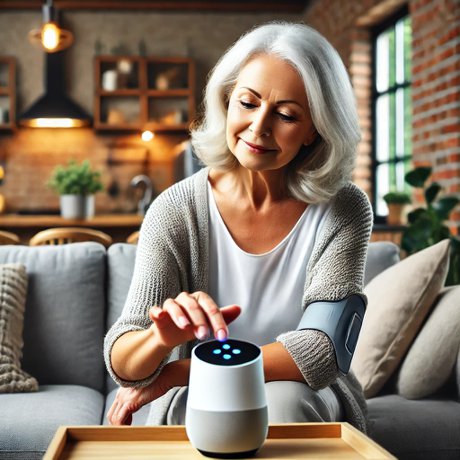
Leveraging Technology for a Better Quality of Life for Seniors Living at Home
As technology continuously evolves, senior care providers and communities also adapt to various technological advancements to ease the challenges of senior living and enhance seniors’ quality of life.
Making Use of Smart Technology
Making use of innovative ways such as leveraging smart technology to adapt to seniors’ ever-changing needs may help enhance their quality of life. In order to successfully incorporate technological advancements in seniors’ daily lives, their communities and care providers should have the necessary preparations for implementation. Additionally, knowing seniors’ needs and preferences will greatly save resources and time for finding the right technology.
Better Social Engagement
From simple internet connectivity to more advanced smart technologies, there are various ways in which seniors engage and remain connected to their surroundings. Through messaging applications and other social media platforms, seniors have more avenues to communicate with their loved ones. Moreover, a lot of senior communities have started to provide family engagement applications for families to remain informed about their loved ones’ welfare.

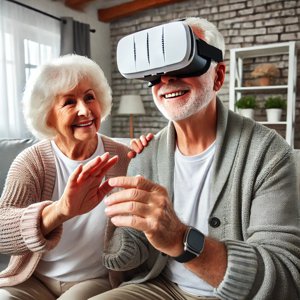
Aside from the communicative aspect that technology provides, it also helps seniors pursue their interests through various online educational programs and courses. With the rise of virtual reality (VR), seniors can amuse themselves and have a joyous moment with friends.
Optimize Health and Prevent Risks
Fall Detection and Prevention
Additionally, VR can also be integrated as a tool for reducing the risk of falls. According to the Centers for Disease Control and Prevention (2024), one in four seniors experience falls yearly. With this, enhancing VR to simulate factors that lead to falling or losing balance helps ease the risk of such events. In a study by Zahedian-Nasab, et al. (2021), VR fall simulations help improve seniors’ balance and locomotor abilities. Further enhancements to technology and VR simulations will benefit older adults, families, and communities in preventing risks.
Apart from VR, other technological advancements such as wearable devices and non-wearable systems also aim to help detect and prevent falls. Wearables, such as smartwatches and wearable cameras, monitor movements, while non-wearable systems use sensors and cameras to track motion at home.
Telehealth Services
With technological advancements, healthcare has become more accessible even remotely. Telehealth allows individuals to consult with healthcare professionals using technological platforms, making accessing healthcare more convenient.
Assistive Technologies for Seniors
Assistive devices are designed to aid older adults in their daily lives. From medication reminders to mobility assistance, various assistive devices help seniors age in place. Some wearables help older adults stay engaged and promote their safety. Assistive technologies not only aid older adults but also provide caregivers and family members peace of mind. With the use of assistive devices, care providers and family members may conveniently monitor their loved ones to ensure their safety and comfort.
Smart Home Automation
Smart home automation technologies help promote seniors’ independence by using sensors and assistive technologies throughout the home. In a study by Facchinetti (2023), it was shown that smart home automation is greatly beneficial for seniors, families, and their communities in terms of monitoring chronic diseases and providing them with convenient access to healthcare needs. By utilizing smart home automation technologies, seniors can perform their daily activities with little assistance from others.
Furthermore, even the activities that were considered mundane such as switching the lights, making phone calls, and scheduling reminders, among others, become more difficult as people age. In this regard, voice-activated assistants help seniors perform these activities.
Conclusion
While there are several benefits in leveraging technology for seniors to age in place, integrating it successfully is a complex process. It is not something that can be done overnight and on a grand scale; it takes small steps to get older adults and care providers used to it. Training would help care providers to better understand how certain technologies work to better assist older adults. Moreover, since these hugely involve seniors, their opinions should be greatly considered to ensure they are on board with the advancements.