Area Real Estate News & Market Trends

You’ll find our blog to be a wealth of information, covering everything from local market statistics and home values to community happenings. That’s because we care about the community and want to help you find your place in it. Please reach out if you have any questions at all. We’d love to talk with you!

Dec. 26, 2024

Why Choosing the Right Community Could Matter More Than the Perfect Home

choosing the right community

Why Choosing the Right Community Could Matter More Than the Perfect Home

Many prioritize architectural style, interior design, or landscape features when searching for a new home. However, choosing the right community often plays a more crucial role in long-term satisfaction than the house itself. For those considering homes in Orlando, the surrounding community can significantly impact your living experience, influencing everything from social interactions to educational opportunities.

What Is Considered as "Community"?

Exploring residential areas quickly reveals that a 'community' encompasses more than its streets and houses. It includes the schools, parks, local businesses, and most importantly, the people who make up the neighborhood.

For instance, a well-rounded community like Audubon Park in Orlando is well-known for its local economy, excellent schools, and active community associations. Here, weekly farmers markets, annual art festivals, and neighborhood clean-up days create a strong sense of community involvement and belonging. The local businesses, from quaint cafes to independent bookstores, cater to residents’ needs and help maintain a lively urban vibe.

Conversely, a less desirable community might be characterized by neglected public spaces, limited access to quality education or healthcare, and a lack of safe, communal areas for social interaction. For example, a neighborhood with high vacancies and lacking local services can experience a downturn in community spirit and economic stability. This can lead to increased crime rates and a general decline in quality of life. The streets and buildings may exist, but without the crucial community engagement and infrastructure, the area fails to provide asupportive backdrop for its residents daily lives. 

When you choose a community, you're not just selecting a location but a backdrop for your daily life. This decision can significantly affect your well-being, impacting everything from your social interactions to your sense of security. 

Impact on Lifestyle and Daily Living

Your community dictates the convenience and quality of your daily routines. Easy access to amenities like grocery stores, medical facilities, and local parks can drastically enhance your quality of life. Additionally, living in a community that aligns with your lifestyle can make your move an exciting opportunity, not just a logistical change.

Community Culture and Social Integration

Also, the cultural vibe of a community profoundly affects how well you and your family will integrate and feel at home. A welcoming, inclusive community culture can ease the transition, especially for families moving from far away. The opportunity to participate in local events and traditions helps forge lasting bonds and fosters a sense of belonging.

Long-Term Financial Considerations

The community you choose can also influence your home's financial future. Established neighborhoods often see steady appreciation in property values, making them a wise investment. Conversely, areas without cohesive community planning or with declining public spaces might see stagnant or falling property values. Thus, when choosing the right community, consider the present amenities, future developments, and their potential to enhance your investment.

Safety and Security

Likewise, safety stands as a cornerstone when choosing the right community. Neighborhoods with low crime rates ensure a secure environment and contribute to the overall quality of life. Families, in particular, value the peace of mind that comes with comprehensive public safety measures—well-lit streets, active neighborhood watches, and community policing can make all the difference. This is as important for families as for those buying a retirement home - safety is essential for all!

Access to Quality Education

Equally important, educational opportunities significantly impact the decision-making process for families. A community with top-rated schools benefits children but can also elevate property values, making it a smart choice for long-term investment.

If you have kids, good education is everything

Environmental Influence

Moreover, a community's commitment to sustainability can play a vital role in deciding where to live. Green spaces, recycling programs, and local sustainability initiatives improve living standards and promote a healthier lifestyle. Additionally, they preserve the natural surroundings, enhancing the area’s appeal for future generations.

Health and Wellness Opportunities

Furthermore, communities that offer extensive health and wellness facilities support active, healthy lifestyles. Access to local sports clubs, parks, and fitness centers encourages a routine of physical activity. Similarly, regular community health drives and wellness programs highlight the neighborhood's commitment to its residents' well-being.

Don't Forget About the Logistics of Getting to the New Home

While focusing on your dream home and an even better community, it's easy to forget how you will get there. Hiring reputable long-distance moving specialists in Florida significantly eases the transition into a new community as well as a new home.

Entrusting your belongings to experienced professionals reduces both physical and mental strain. Efficient, safe delivery of your items by good movers alleviates much of the stress associated with moving. When you arrive at your new home in Florida feeling less tired and in a better mood, you are better positioned to make a positive first impression on your new neighbors. This positive engagement can set a pleasant tone for future interactions, helping you integrate seamlessly into the community. Thus, investing in quality moving services does more than transport possessions; it lays the groundwork for a successful new beginning in your chosen community.

Making the Right Choice

Selecting the perfect community indeed requires careful research and thoughtful consideration. Attend local meetings like town hall gatherings or school board discussions, which provide insights into the area’s concerns and priorities. Reading community bulletins and local newspapers offers a glimpse into upcoming projects and prevalent social issues. Additionally, engaging with residents reveals the daily realities of the community, shedding light on its strengths and weaknesses. 

Exploring local amenities is also crucial. Visit parks, libraries, and community centers to assess available facilities and activities. Observing local shopping areas can help you understand the convenience and quality of nearby services. It's also beneficial to experience the community during different times—including various times of day and days of the week—to gauge traffic patterns and the overall atmosphere.

Furthermore, the effectiveness of local governance should be considered. Investigate the development of local policies and the allocation of public funds. Assess how responsive local authorities are to community needs and emergencies.

Careful research is required before making a choice

Tips for Researching a Community

  • Visit parks, libraries, and community centers.
  • Observe traffic patterns and the overall atmosphere.
  • Investigate local governance and public fund allocation.

Choosing the Right Community Should Be Your Main Focus

Ultimately, while the perfect house might seem like the dream, selecting the right community is more significant for long-term happiness and stability. A supportive, engaging, and safe community enriches everyday life, proving that where you live impacts how well you live.

Posted in Topic Of Interest
Oct. 20, 2024

Understanding Disaster Fraud in Florida: What You Need to Know

Florida Disaster Fraud -1


Understanding Disaster Fraud in Florida: What You Need to Know


Disaster fraud is a significant concern in Florida, a state that frequently experiences hurricanes, tropical storms, and other natural disasters. Scammers exploit these crises, preying on vulnerable residents during the chaos that follows. Understanding how these frauds occur and learning how to protect yourself can help minimize the financial and emotional toll on Floridians recovering from catastrophic events.

The Rise of Disaster Fraud in Florida: Why It's a Growing Problem

The frequency of disaster fraud in Florida has increased as the state continues to face severe weather events nearly every year. From hurricanes and flooding to storm surge damages, the aftermath of these natural disasters creates the perfect environment for opportunistic criminals. Scammers capitalize on the sense of urgency and desperation felt by homeowners, businesses, and charitable organizations, exacerbating the struggles of recovery. Florida’s vast coastline and dense population make it a prime target for these activities, highlighting the need for awareness and robust prevention measures.

Common Types of Disaster Fraud Scams in Florida

Contractor Scams: Overcharging and Fake Repairs

After hurricanes and storms, unlicensed contractors often flock to the state, offering repair services. Many collect deposits without performing the work or use low-quality materials. In some cases, they perform unnecessary repairs just to inflate costs. With Florida’s rapid growth and ongoing construction, contractor fraud is especially prevalent.

Insurance Fraud: False Claims and Adjuster Misconduct

In Florida, insurance claims spike after every storm season, creating an opportunity for fraud. Some individuals submit exaggerated or fabricated damage claims, while others may encounter unscrupulous adjusters who manipulate the process for personal gain. Understanding Florida’s insurance regulations can help residents avoid falling victim to such schemes.

Charity Scams: Fake Donation Requests After Hurricanes

Fraudulent charities often emerge after a hurricane hits Florida, exploiting the goodwill of those looking to aid the recovery. These scams divert funds away from legitimate relief efforts, prolonging the hardship faced by storm survivors. Social media and online fundraising platforms are common venues for these scams, especially in the wake of high-profile disasters.

Government Impersonation: Posing as Officials for Personal Information

Fraudsters may pose as representatives from FEMA or the Florida Division of Emergency Management, requesting personal information or payment to "process aid" for storm recovery. These scams target individuals seeking legitimate relief, exploiting confusion during disaster response efforts.

Door-to-Door and Telemarketing Scams During Storm Season

It’s not uncommon for scammers to go door-to-door offering services or soliciting donations after a storm. Telemarketing scams may also ramp up, with fraudsters claiming to represent legitimate organizations in Florida’s recovery efforts. Be cautious of high-pressure sales tactics and unsolicited services.

How Disaster Fraud Hurts Floridians and Their Communities

The impact of disaster fraud extends well beyond individual victims. In Florida, where communities often rely on mutual support to recover, fraudulent activities can divert resources from genuine needs, slow the overall recovery process, and impose additional financial burdens. When disaster funds are misused or siphoned away, it hampers rebuilding efforts across the state. The emotional toll on scam victims is also substantial, as being defrauded during an already challenging time can be devastating.

Recognizing the Warning Signs of Disaster Fraud in Florida

Unlicensed Contractors and Suspicious Repair Offers

Florida law requires contractors to be licensed, especially for significant repairs following a disaster. Verify licenses with the Florida Department of Business and Professional Regulation before hiring anyone.

High-Pressure Tactics to Sign Contracts or Make Payments

Be wary of contractors or representatives who insist on immediate action or payment. In Florida, legitimate businesses understand that homeowners need time to evaluate options, even in emergencies.

Inconsistent or Vague Details About Services or Claims

Reputable service providers in Florida will provide detailed estimates and clear terms. Be cautious if someone cannot provide a written contract or avoids specific details about services.

Unusual Requests for Personal Information or Payments

Verify the identity of anyone requesting sensitive information or payment related to disaster relief. Florida’s official agencies will not ask for personal information through unsolicited calls or emails.

Steps to Protect Yourself Before a Disaster in Florida
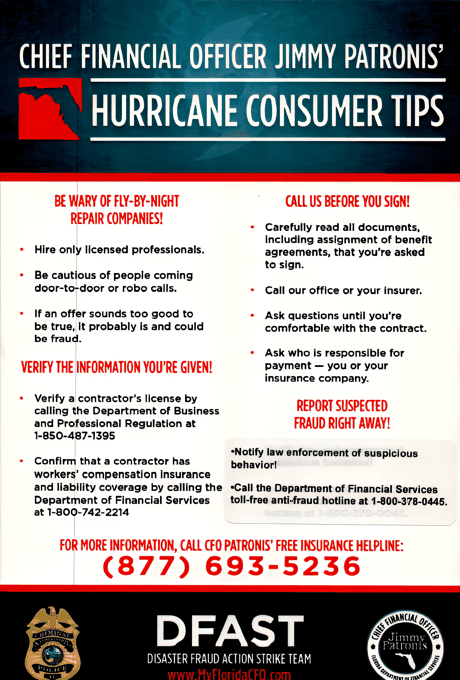
Florida Disaster Fraud -2

Verify Contractors and Service Providers in Advance

Keep a list of licensed contractors and reputable service providers in Florida. The Florida Department of Business and Professional Regulation’s website is a valuable resource for verifying licenses.

Document and Secure Important Property and Insurance Information

Regularly update your home inventory and photograph your property. Store important insurance documents in a waterproof, secure location, ensuring that you have easy access in the event of an evacuation.

Know Your Rights: Understanding Florida’s Insurance Policies and Coverage

Florida’s unique landscape requires specific insurance policies, such as flood and windstorm coverage. Familiarize yourself with your policy’s details to avoid surprises during claim filing.

Establish a List of Trusted Charities for Future Donations

Research legitimate charities active in Florida, especially those with a history of hurricane relief work. This can guide your donations after a disaster, ensuring your contributions go to those truly in need.

Actions to Take If You Suspect Disaster Fraud in Florida

Reporting to Law Enforcement and Insurance Companies

Contact local law enforcement, the Florida Department of Financial Services, or the National Insurance Crime Bureau if you suspect fraudulent activity. Reporting helps authorities investigate and prevent further scams.

Contacting the Florida Department of Financial Services’ Fraud Bureau

Florida has specific resources for addressing insurance and contractor fraud. The Fraud Bureau can guide you through the reporting process and offer advice on how to protect your rights.

Utilizing Disaster Fraud Hotlines and Online Resources

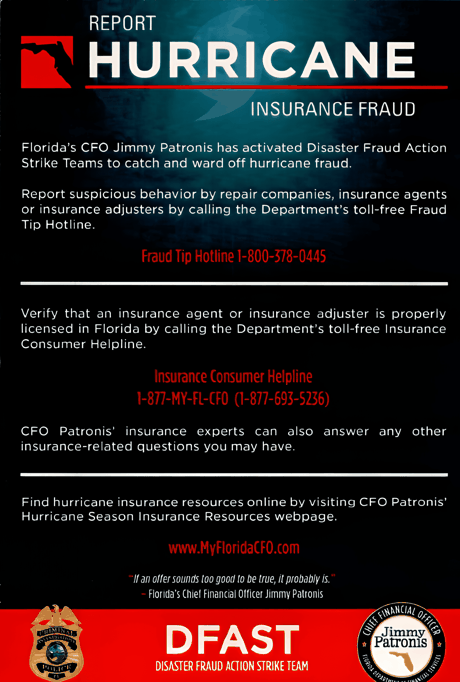
Call Florida’s Disaster Fraud Action Strike Teams' hotline to report suspicious activities. These teams are specifically designed to combat hurricane-related fraud.

Documenting and Gathering Evidence to Support Your Claims

Save all contracts, receipts, and communications related to repair or recovery work. These records can be used to substantiate your claims when reporting fraud to Florida authorities.

The Role of Florida's Government and Law Enforcement in Combating Disaster Fraud

Disaster Fraud Action Strike Teams and Their Initiatives

Florida's Disaster Fraud Action Strike Teams, initiated by the state’s Chief Financial Officer, actively monitor and investigate fraudulent claims during disaster recovery. These teams work with local authorities to prosecute offenders and protect Floridians.

Collaboration Between State, Local, and Federal Authorities

Disaster fraud prevention in Florida involves coordinated efforts from the state government, local law enforcement, and federal agencies like FEMA. This collaboration helps streamline fraud prevention and enhance investigation capabilities.

The Importance of Community Awareness and Education Campaigns in Florida

Florida’s government frequently runs public education campaigns to inform residents about recognizing and reporting disaster fraud. Increasing awareness across the state is crucial for preventing scams and aiding recovery.

Tips for Hiring Contractors After a Disaster in Florida

Verifying Licensing and Insurance Requirements in Florida

Florida contractors must hold a valid license to perform work on storm-damaged properties. Confirm their licensing status with the Florida Department of Business and Professional Regulation.

Getting Multiple Estimates and Avoiding Upfront Payments

Obtain estimates from multiple contractors to gauge the scope and cost of the work. Avoid paying large sums upfront; reputable contractors in Florida offer fair payment terms.

Understanding Contracts and the Fine Print Before Signing

Read contracts thoroughly and consult legal counsel if needed. Make sure that contracts meet Florida’s requirements, including specific disclosures for storm-related repairs.

Knowing When to Walk Away from a Suspicious Offer

If a contractor’s offer seems too good to be true or involves unconventional payment methods, consider it a warning sign. Florida homeowners should trust their instincts and opt for transparency over haste.

Insurance Fraud Awareness in Florida: What to Look For

Spotting False Claims or Inflated Repair Estimates

Watch for signs of claim inflation or unnecessary repairs. Some fraudsters may exaggerate damage to collect higher insurance payouts, a common scam in Florida after hurricanes.

Dealing with Insurance Adjusters and Ensuring Fair Claims

Be aware that not all adjusters operate fairly. In Florida, homeowners can request a second opinion on their claims if they suspect discrepancies in estimates or coverage.

The Consequences of Committing Insurance Fraud in Florida

Insurance fraud is a serious offense in Florida, with penalties including fines, imprisonment, and restitution. Ensure that all claims you file are accurate and truthful.

Avoiding Charity Scams in Florida After Hurricanes

Checking the Legitimacy of Charities Before Donating

Use Florida’s official charity verification resources, such as the Department of Agriculture and Consumer Services’ charity registry. Avoid new or unfamiliar organizations without a verifiable track record.

Donating Directly Through Verified Websites or Platforms

When supporting Florida-based charities, ensure you donate through official websites to reduce the risk of fraud. Look for verified accounts on established donation platforms.

Avoiding Cash Donations and Questionable Fundraising Efforts

Pay by credit card or check for a traceable transaction. Question any fundraising efforts that pressure you for immediate, cash-only donations.

Understanding Your Insurance Rights and Coverage Limits in Florida

Reviewing Your Policy Before and After a Disaster Strikes

Regularly review your insurance policy, especially in preparation for Florida’s hurricane season. Confirm that coverage aligns with your property’s needs and risks.

How to Dispute Denied Claims or Unfair Settlements

In Florida, insurance companies must provide a written explanation for denied claims. Use this documentation to appeal decisions or seek assistance from a public adjuster.

Knowing Your Options for Additional Coverage in Florida

Given Florida’s exposure to hurricanes and flooding, supplemental insurance may be necessary. Evaluate options such as flood insurance to ensure comprehensive coverage.

Why Disaster Fraud Spikes After Natural Disasters in Florida

The Opportunistic Nature of Scammers During Florida's Storm Season

The immediacy of recovery needs creates a window for fraudsters to exploit Florida residents who are eager to repair and rebuild.

How Fraudsters Exploit Vulnerability and Confusion

Florida’s diverse population, with varying levels of disaster preparedness, is particularly susceptible to scams. Language barriers and lack of insurance knowledge exacerbate the issue.

Trends in Fraudulent Activities After Major Hurricanes and Storms in Florida

Following high-impact storms, such as Hurricanes Irma and Michael, reports of contractor and charity scams increased significantly. These trends underline the need for vigilance during recovery.

Success Stories: How Florida Victims Overcame Disaster Fraud

Real-Life Cases of Recovery and Justice in Florida

Some Floridians have successfully taken legal action against fraudsters, recovering lost funds and securing justice. These cases provide valuable lessons in resilience and advocacy.

Lessons Learned and Advice for Others Facing Similar Situations

Practical tips from those who have experienced disaster fraud in Florida can offer guidance on avoiding pitfalls and recovering more effectively.

The Impact of Technology on Preventing Disaster Fraud in Florida

Using Apps and Online Tools to Verify Contractors and Charities in Florida

Technology can help Florida residents verify licenses, check reviews, and confirm charity legitimacy, reducing exposure to scams.

Digital Reporting Platforms for Suspected Fraud

Florida’s disaster fraud reporting systems allow for efficient reporting of suspicious activities, aiding swift investigations.

How Social Media Plays a Role in Alerting Others to Scams

Florida communities can use social media to share warnings about local scams, enhancing public awareness and enabling rapid responses.

The Importance of Community Involvement in Fraud Prevention in Florida

How Neighborhood Watch Programs Can Help Spot Scams

Floridians can leverage neighborhood watch groups to identify suspicious behavior, particularly after storms. Local involvement strengthens fraud prevention efforts.

Encouraging Local Businesses to Educate Customers About Fraud

Businesses across Florida can help educate residents on how to identify fraud, offering resources and workshops tailored to local needs.

Hosting Fraud Awareness Workshops and Events

Community events in Florida that focus on fraud prevention can empower residents with the knowledge needed to protect themselves.

Protecting Vulnerable Populations in Florida from Disaster Fraud

Special Considerations for Seniors and Low-Income Families

Florida’s senior population and economically disadvantaged communities are frequent targets of scams. Tailored outreach efforts can provide these groups with additional protection.

Tailoring Fraud Prevention Messages for Diverse Communities

Florida’s diverse population benefits from multilingual fraud prevention materials and culturally relevant education strategies.

Ensuring Access to Fraud Reporting Resources for All

Make disaster fraud reporting information accessible to Floridians, including those with disabilities or limited English proficiency.

What to Do If You've Fallen Victim to Disaster Fraud in Florida

Steps for Recovery and Rebuilding After a Scam

Report the scam to local authorities, seek legal assistance, and contact your insurance company immediately to mitigate further losses.

Accessing Financial and Legal Assistance for Fraud Victims in Florida

Numerous resources in Florida provide support for disaster fraud victims, including state-funded legal aid and financial counseling.

Emotional Support Resources for Those Affected

Scams can leave emotional scars. Florida offers counseling services and support groups specifically for those impacted by disaster fraud.

Long-Term Solutions for Reducing Disaster Fraud in Florida

Legislative Changes and Policy Recommendations

Proposals for stronger anti-fraud legislation in Florida aim to deter criminals and streamline prosecution of disaster-related fraud.

Enhancing Disaster Response Protocols to Include Fraud Prevention

Florida’s disaster plans should integrate fraud prevention strategies, training emergency responders to recognize and report fraudulent activities.

Building a Culture of Fraud Awareness and Preparedness in Florida

Educating Floridians about fraud risks and encouraging proactive measures can build resilience and reduce the impact of scams.

Conclusion: Staying Vigilant and Prepared Against Disaster Fraud in Florida

Florida’s frequent exposure to natural disasters makes disaster fraud a pressing concern. By staying informed, verifying services, and taking proactive steps, Floridians can better protect themselves and their communities. Awareness, preparation, and swift action are key to reducing the risk and impact of fraud during recovery efforts.

Call to Action: Resources and Contacts for More Information on Disaster Fraud Prevention in Florida

Contact the Florida Department of Financial Services, utilize the state's fraud hotlines, and explore online resources for the latest tips on avoiding disaster fraud. Empower yourself and your neighbors to stay fraud-free this hurricane season.


Sept. 29, 2024

Consumer Confidence, Fed Rate Cuts, and Housing Trends


Orlando Real Estate Update: Consumer Confidence, Market Trends, and Fed Rate Cuts

In the latest episode of the Orlando Real Estate Buzz, hosts Brendan and Joseph dive into the impact of falling consumer confidence, inflation, and recent Federal Reserve rate cuts on the Orlando housing market. The episode highlights critical trends that real estate buyers and sellers in Central Florida should keep an eye on as 2024 approaches.

Consumer Confidence Takes a Hit

One of the key takeaways from this week's discussion is the significant drop in consumer confidence. The Consumer Confidence Index saw its biggest decline in almost three years, taking many by surprise. This is despite the fact that the economy, at least on the surface, appears stable with stock markets at all-time highs.

However, underlying factors such as inflation and rising interest rates are affecting households' ability to spend, making it harder for many potential homebuyers to afford properties. Major retailers like Best Buy are closing stores, and even large auto companies are planning layoffs. This sense of economic uncertainty is contributing to a lack of confidence, keeping buyers on the sidelines.

Fed Rate Cuts and the Housing Market

The Federal Reserve recently announced another rate cut, but as Brendan and Joseph explain, it hasn’t had the expected effect on mortgage rates. While many anticipated lower rates would drive more home purchases, the reality is that mortgage rates remain around 6.5%, which is still high compared to pre-pandemic levels. Homebuyers are feeling the pinch, and even with rate adjustments, there hasn't been a significant uptick in buyer activity.

Stagnant Market: Home Sales and Inventory

The Orlando housing market is still sluggish, with only 387 home sales in the most recent week, a steep decline from previous years. Inventory is up, which typically signals a buyer’s market, but sales remain flat. According to the podcast, condos are particularly struggling, with over 8 months of inventory and many properties sitting on the market for extended periods.

This stagnation has resulted in widespread price reductions. On average, homes are selling for about 93-94% of their original list price, indicating that sellers are increasingly willing to negotiate. This creates an excellent opportunity for buyers to find deals, especially in a market that’s leaning heavily in their favor.

Opportunities for Buyers

If you’ve been waiting for the right time to buy in Orlando, now may be your chance. Sellers are starting to offer more incentives, including closing cost contributions and mortgage rate buy-downs. Some new construction properties have seen price cuts of up to $100,000, and builders are offering historically low mortgage rates of around 3.99% to 4.5% to move inventory.

With so much flexibility in the market, buyers have the upper hand in negotiations, particularly in the condo sector where there’s an abundance of available units. With inventory levels up nearly 40% since the beginning of the year, now is the time to strike if you're in the market for a home.

Looking Ahead: Will the Market Recover?

The hosts predict that we may see further rate cuts from the Fed, which could bring mortgage rates down to around 5.5% in the next 12-18 months. This would likely encourage more buyer activity and help stabilize the market. However, until then, the housing market will likely remain slow, with sellers continuing to offer discounts and incentives to attract buyers.

As always, staying informed on these economic trends is essential whether you're buying or selling. The next few months will be pivotal in determining whether the market will rebound or continue to stagnate.

Conclusion

The Orlando real estate market is in a unique position right now, with high inventory levels, declining consumer confidence, and modest activity in both the housing and condo sectors. For buyers, this presents a rare opportunity to secure favorable deals, while sellers may need to adjust their expectations as the market adjusts to ongoing economic pressures. Stay tuned for more updates as we continue to monitor the trends and opportunities in the Central Florida real estate market.

Contact Us

If you have any questions or are ready to explore buying or selling in the Orlando area, don’t hesitate to reach out! Contact us today for personalized real estate advice.

Follow Us on Social Media

Sept. 26, 2024

Fed Rate Cuts and Housing Market Trends


Orlando Real Estate Market Update: Fed Rate Cuts and Housing Market Trends

Welcome back to the Orlando Real Estate Buzz! After a short break, we’re diving deep into the current state of the Orlando real estate market, recent Fed rate changes, and how these factors are influencing both buyers and sellers.

Fed Rate Cuts: Impact on Mortgage Rates

The Federal Reserve recently announced a half-point rate cut, but what does this mean for mortgage rates? Contrary to popular belief, a Fed rate cut does not immediately translate into lower mortgage rates. The overnight rates impacted by the Fed affect short-term loans such as credit cards and auto loans, but long-term loans like mortgages follow a different trend.

In fact, as mentioned in the podcast, mortgage rates have continued to rise slightly in the past week, despite the rate cut. The 10-year Treasury yield, which heavily influences mortgage rates, saw a slight increase, leaving potential buyers in a waiting game.

Market Inventory and Sales: A Closer Look

Orlando’s real estate market has been stagnant, with sales figures showing little movement. Recent data indicates that while inventory continues to rise, sales remain flat. Just last week, the Orlando area recorded only 405 home sales, a slight increase from the previous week’s 331. Meanwhile, inventory levels increased by 95 homes, reflecting growing supply.

Condos have been hit even harder, with inventory climbing by 69 units and sales struggling to break 100 weekly transactions. The average days on market for condos has jumped to 68 days, signaling a slower-moving segment of the market.

Price Reductions and Buyer Opportunities

One of the most significant trends highlighted in this week's podcast is the sharp increase in price reductions. On average, homes are selling for just 92.5% of their original list price, with some million-dollar homes in the area going for as low as 87.5% of the list price.

With the market cooling, now may be an opportune time for buyers to negotiate deals, especially in the higher-end market. Home builders are also offering incentives such as rate buy-downs and forward commitments to entice buyers, making this a buyer's market in certain segments.

What’s Next for the Orlando Housing Market?

As we look ahead, many sellers may be tempted to list their homes due to the recent Fed rate cut, expecting an influx of buyers. However, without significant improvements in mortgage rates, the market may continue to stagnate.

According to industry experts, rates would need to drop to around 5.5% to truly spark a wave of buyer activity. Until then, expect to see more inventory and price adjustments as sellers adjust to the new market reality.

Conclusion

The Orlando real estate market remains in a period of uncertainty, influenced by economic factors, mortgage rates, and shifting buyer sentiment. Whether you’re a buyer or seller, staying informed on these trends is essential. Be sure to follow us on the Orlando Real Estate Buzz for weekly updates and expert insights.

Contact Us

For more information on the current Orlando housing market, or if you're looking to buy or sell a property, contact us today. We’re here to help you navigate this ever-changing market.

Follow Us

July 28, 2024

Orlando Real Estate Market Analysis: New Home Sales Decline & Builder Incentives Surge


Orlando Real Estate Market Trends 

New Home Sales Plummet, Builders Offer Huge Incentives!

Welcome to the Orlando Real Estate Buzz! In this post, we’ll dive deep into the current trends shaking up the Orlando real estate market. Brenden Rendo from The Homes in Orlando Team and our special guest, Jim King from Appli Home Loans, join forces to provide valuable insights.

Key Topics Covered:

  • New Home Sales Decline: The market has seen a significant drop in new home sales, with figures down by 15.2% compared to last year. This trend could indicate a larger economic shift affecting the real estate sector.
  • Builder Incentives: Builders are offering incredible incentives to move inventory, including interest rate buy-downs and substantial closing cost coverage. Some incentives are reaching up to $47,000 per home.
  • Housing Supply Surge: The housing supply has surged, resulting in a 9.3-month supply rate in Orlando. This increase in inventory is creating a buyer's market, especially for homes priced over $1 million.
  • Economic Indicators: Unemployment numbers remain flat, with little impact on mortgage rates. However, these numbers provide critical context for understanding broader market trends.
  • Market Predictions: As we head into the fall and the election season, market predictions suggest continued uncertainty. Economic indicators and builder incentives will play crucial roles in shaping the market's future.
  • Overvalued Markets: Analysis of the most overvalued markets shows Los Angeles leading the pack. Orlando is about 10% overvalued, with potential corrections on the horizon.
  • Buyer Opportunities: Current market conditions present unique opportunities for buyers. With increased inventory and significant builder incentives, now might be the perfect time to buy.

Insights and Analysis

New Home Sales Decline

The decline in new home sales is a clear indicator of market shifts. Construction typically slows first in a recession, and this trend is evident in the current numbers.

Builder Incentives

Builders are pulling out all the stops to attract buyers. Incentives such as interest rate buy-downs and closing cost coverage are making new homes more attractive compared to resale homes.

Housing Supply Surge

The increased inventory is creating a more competitive market for sellers. Buyers now have more options, and the power dynamic is shifting.

Economic Indicators

While unemployment numbers remain stable, the lack of movement in mortgage rates suggests a period of economic uncertainty. This stability might not hold as we move further into the election season.

Market Predictions

The upcoming fall and election season will be critical in determining the market's direction. With various economic reports due next week, these will provide more clarity on future trends.

Overvalued Markets

The analysis of overvalued markets highlights the potential for price corrections. Orlando’s slight overvaluation might adjust with changes in interest rates or price reductions.

Buyer Opportunities

Buyers can take advantage of the current market conditions. With builders offering substantial incentives and a surge in inventory, there are significant opportunities for savvy buyers.

Conclusion

The Orlando real estate market is experiencing significant shifts, from declining new home sales to substantial builder incentives and increased housing supply. These changes create a dynamic environment for both buyers and sellers.

Stay informed about the latest real estate trends and expert advice on navigating the market by following the Orlando Real Estate Buzz. Join us every Thursday at 10:00 AM for the latest insights and trends in the Orlando real estate market.

Contact Us:

Phone: 407-710-8720

Email: Brenden@homesinorlando.forsale

Office: 

June 19, 2024

Orlando Real Estate Buzz: Key Market Insights and Updates


Orlando Real Estate Buzz: Key Market Insights and Updates

Good morning, and welcome to the Orlando Real Estate Buzz. I'm Brenden Rendo of The Homes in Orlando Team. Today, I’ll be your sole host as Joe is traveling and dealing with multiple layovers. Despite his absence, we have a lot of important updates to cover, so let's dive in.

Fed’s Rate Decision and Economic Indicators

Yesterday, the Federal Reserve announced that they will hold interest rates steady for now. Jerome Powell expressed a cautious stance, indicating that there might be a rate cut before the end of the year, but nothing is certain yet.

Unemployment Numbers

Initial claims rose to 242,000, the highest increase since August 2023. Total unemployment increased by 30,000, bringing the total to 1,820,000.

Producer Price Index (PPI)

PPI showed a slight decline, suggesting that inflation pressures might be easing.

These indicators point to a softening economy, which could influence the Fed to cut rates sooner if the trend continues.

Impact on the Real Estate Market

The Fed’s cautious approach and the recent economic data have significant implications for the real estate market. Here’s what you need to know:

Interest Rates

With bond markets reacting positively to the CPI data, we’re seeing slight improvements in interest rates. This weekend could be an excellent time for homebuyers to shop for homes with potentially lower rates.

Home Affordability

According to the Fannie Mae National Housing Survey, a record 86% of people believe it’s a bad time to buy a home, primarily due to unaffordability. This is down from 20% last month, reflecting a shrinking buyer pool.

Regional Market Trends

Florida, particularly Orlando, is experiencing significant shifts in the real estate market:

Inventory and Sales

Orlando’s housing inventory has increased by over 21% since the beginning of the year. Sales have dropped, and we’re seeing more price cuts than ever.

Cooling Markets

West Florida, including North Port, Tampa, and Cape Coral, are among the fastest cooling markets in the nation. Orlando is also cooling, with a rise in inventory and price reductions.

New Construction

Despite the cooling market, Florida continues to build more new homes than any other state. However, builders are increasingly offering incentives to attract buyers.

Condo Market Challenges

The condo market in Orlando faces unique challenges:

Special Assessments

New laws have led to significant special assessments for condo owners, making it cheaper to rent than own in many cases.

Declining Prices

Condo prices are dropping as inventory increases and sales decline. Buyers must be cautious of potential special assessments and high HOA fees.

Conclusion

Orlando’s real estate market is in a state of flux. While inventory increases and sales decline, opportunities exist for savvy buyers, especially with potentially lower interest rates. Builders are offering incentives, making new homes more attractive, but affordability remains a significant hurdle.

For more detailed insights and weekly updates, join us every Thursday on the Orlando Real Estate Buzz. Don't forget to like, subscribe, and reach out with any questions. Thank you for tuning in!


June 12, 2024

Deland Real Estate Market Update 2024: Hot Trends and Key Stats

Deland Real Estate Market Update 2024: Hot Trends and Key Stats! 🏡📊


🏡 Deland Market Update 📊

As a REALTOR® with NextHome Neighborhood Realty, I'm excited to share the latest data for Deland, FL 32724. The current Months Supply of Inventory is at 3.3, with a 44.1% increase over the last 12 months. The List to Sold Price percentage is 98.1%, and the Median Sold Price is $373,910. If you're thinking of buying or selling in Deland, now is a great time!

#DelandRealEstate #MarketTrends

Key Stats:

  • 3.3 Months Supply of Inventory 📊
  • 44.1% Increase Over the Last Year 📅
  • List to Sold Price Percentage: 98.1% 💲
  • Median Sold Price: $373,910 🏠
  • Median Days on Market: 39 Days ⏱️

Contact Information:

📈 Looking to buy or sell in Deland? Let's talk! As your local REALTOR®, I can provide you with valuable insights into the market. With a Median days on market of 39 and a Median Sold Price of $373,910, it's important to stay informed about the current trends. Reach out to me today to get started on your real estate journey in Deland, FL 32724!

Market Insights:

🏠 Deland Real Estate Update: The market in Deland, FL 32724 is heating up! With a Months Supply of Inventory at 3.3 and a List to Sold Price percentage of 98.1%, now is the time to make a move. Whether you're looking to buy or sell, I'm here to help navigate the market trends and find the best opportunities for you. Let's chat about your real estate goals!

🌟 Exciting news for buyers and sellers in Deland! The Median Sold Price is $373,910, with a Median days on market of 39. Plus, the List to Sold Price percentage is at an impressive 98.1%. With these market trends in mind, it's a great time to explore your options in Deland, FL 32724. Reach out to me, Brenden Rendo, your trusted REALTOR®, for personalized guidance.

Stay Informed:

📊 Stay informed about the Deland real estate market! With a 44.1% increase in Months Supply of Inventory over the last 12 months, now is the time to act. The Median Sold Price is $373,910, and the List to Sold Price percentage is 98.1%. Whether you're a buyer or seller, knowing these key statistics can help you make smart decisions. Let's work together to achieve your real estate goals in Deland, FL 32724.


June 12, 2024

Deltona, FL Housing Market Trends Analysis for May - 32725 Zip Code Insights


Deltona Real Estate Market Update 2024: Hot Trends and Key Stats! 🏡📈


🏡 Deltona Market Update 📈

The real estate market in Deltona, FL 32725 is showing some remarkable trends, making it an exciting time for buyers and sellers. With a 2.85 months supply of inventory—a significant 137.5% increase over the last year—and a median sold price of $335,000, the market is hot and ready for your next move.

Key Stats:

  • 2.85 Months Supply of Inventory 📈
  • 137.5% Increase Over the Last Year 📅
  • List to Sold Price Percentage: 97.9% 💲
  • Median Sold Price: $335,000 🏠
  • Median Days on Market: Just 27 Days! ⏱️

Whether you're looking to buy or sell, these statistics highlight the strong potential for both parties. Homes are moving quickly, so it's crucial to stay informed and prepared.

Contact Information:

👉 Contact Brenden Rendo at NextHome Neighborhood Realty for expert guidance and personalized assistance. Let's chat about how these trends can impact your buying or selling strategy.

📲 Curious about your home's value?
Visit: Home Value Estimator


June 5, 2024

Orlando, FL Housing Market Trends Analysis for May - 32817 Zip Code Insights


Orlando FL 32817 Real Estate Market Update - May Report

32817 Orlando Real Estate Market Trends

32817 Orlando FL Housing Market Median Value

32817 Orlando FL Housing Market Inventory

Exciting Opportunities for Buyers and Sellers in Orlando's 32817 Area

Overview of Current Market Conditions

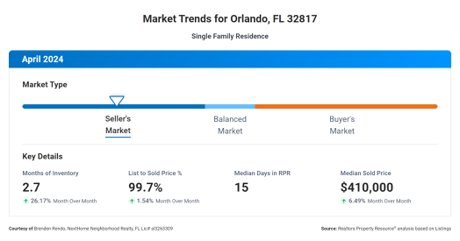
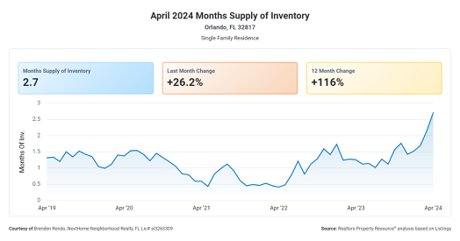
🌟 Attention Buyers and Sellers in Orlando, FL 32817! 🌟 Did you know that there is currently a 2.7 Months Supply of Inventory in our area? That's a 116% increase over the last 12 months! With a List to Sold Price percentage of 99.7% and a Median Sold Price of $410,000, now is a great time to make your move in the market. Let's chat about how these trends could impact your buying or selling strategy! #OrlandoRealEstate #MarketTrends

Key Market Statistics for Quick Decision Making

🏡 Looking to buy or sell a home in Orlando, FL 32817? Let's talk numbers! With a Median Days on Market of just 15 days and a Median Sold Price of $410,000, the market is hot! Plus, the List to Sold Price percentage is an impressive 99.7%. Don't miss out on this opportunity to make a move in our thriving real estate market. Contact me today to get started! #OrlandoHomes #RealEstateTrends

Spring Market Dynamics

🌺 Spring is in full swing in Orlando, FL 32817 - and so is the real estate market! With a Median Days on Market of just 15 days and a Median Sold Price of $410,000, now is the time to make your move. The List to Sold Price percentage is an impressive 99.7%, making it a great time to buy or sell in our area. Let's work together to achieve your real estate goals in this thriving market! #OrlandoSpringMarket #RealEstateOpportunity

Detailed Market Update and Future Outlook

📈 Market Update: Orlando, FL 32817 is seeing some exciting trends! With a 2.7 Months Supply of Inventory and a 116% increase over the last year, buyers and sellers alike have plenty to be optimistic about. The Median Sold Price is currently $410,000, with a List to Sold Price percentage of 99.7%. Ready to take advantage of these market conditions? Reach out to me today to discuss your real estate goals! #OrlandoMarketUpdate #RealEstateData

Get Personalized Guidance and Insights

🏠 Curious about the current market trends in Orlando, FL 32817? The numbers speak for themselves: 2.7 Months Supply of Inventory, +116% over the last year. The Median Sold Price is $410,000 with a List to Sold Price percentage of 99.7%. Whether you're buying or selling, these stats can help inform your decision-making process. Reach out to me for personalized guidance on navigating the Orlando real estate market! #OrlandoMarketStats #RealEstateInsights#32817zipcode

Curious about your home's value? Visit: Home Value Estimator


May 17, 2024

Exploding Heloc Trend: How $17.7 Trillion In Household Debt Is Fueling The Rise


The Orlando Real Estate Buzz: Navigating Market Trends and Updates


Good morning, and welcome to The Orlando Real Estate Buzz. I’m Brenden Rendo with The Homes in Orlando Team, joined as always by Joseph Dionne of Appli Home Loans. This week, we’re diving into some intriguing market numbers and local news that could impact your real estate decisions. Let's get started!

Analyzing the CPI and PPI Reports

We’ve seen some interesting reactions in the market this week, starting with the Consumer Price Index (CPI) numbers. There’s been some debate about potential manipulation of these figures, particularly in light of the recent Producer Price Index (PPI) report, which came in unexpectedly high. The PPI measures the prices producers receive for their goods, essentially a wholesale level before products reach consumers. The March PPI numbers were revised from a 0.2% gain to a 0.1% drop, raising questions about the integrity of these reports.

The CPI, which reflects what consumers pay, came in softer than expected for April, suggesting that inflation might be under control. However, this could be misleading as the PPI numbers for April were high, indicating potential future increases in consumer prices. It's a game of numbers that leaves room for skepticism about the true state of inflation.

Fannie Mae and Freddie Mac’s New Proposal

In other news, there’s an intriguing proposal from Fannie Mae and Freddie Mac to enter the second mortgage market. This move could potentially add more debt to the already staggering $17.7 trillion national debt. The proposal aims to allow homeowners with significant equity, particularly from the boomer generation, to tap into their home equity without selling their homes. This could open up an estimated $11 trillion in tappable home equity, but it also raises concerns about increasing consumer debt and the potential risks involved.

Local News: Corporate Layoffs in Orlando

Locally, we’re seeing some tough times for a major company in Orlando. Red Lobster, a well-known name with its headquarters here, is closing 48 stores nationwide, including one right here in Orlando. This isn’t a restructuring but an outright closure, reflecting the broader economic challenges businesses are facing. The rising costs of food and inflation are making it difficult for restaurants to stay afloat, leading to increased layoffs and closures.

Housing Market Insights

Now, let’s dive into the housing market. The National Association of Home Builders recently reported that 66.6 million households in the U.S. cannot afford a home priced at $250,000. In Florida, finding a home in that price range is nearly impossible without significant repairs or updates. The Orlando housing market is experiencing a significant increase in inventory, with over 6,000 units currently available and a noticeable rise in price reductions.

Condo Market Trends

The condo market in Orlando is particularly soft, with over 3,000 condominiums available and inventory levels up by over 25% since the beginning of the year. This has created a buyer’s market, with average days on the market for condos sitting at 70 days and a month’s supply of inventory reaching five and a half months.

Closing Thoughts

Despite the market's overall softness, there are still opportunities for buyers and sellers. We’ve seen some relief in mortgage rates recently, which is a positive sign for those looking to purchase a home. However, it’s essential to stay informed and navigate these changes carefully.

Thank you all for joining us on The Orlando Real Estate Buzz. We enjoy bringing you the latest market insights every Thursday. Please like, subscribe, and stay tuned for more updates. Until next time, take care!